Hello, I'm Learning-Machine
These days, many modern people regardless of gender and age are suffering from 'hair loss'.
Types and causes of hair loss
The Health Insurance Corporation said that the number of patients with alopecia is increasing every year from 103,000 in 2001 to 233,000 in 2020 (Korea)
Just seeing hair loss in progress is stressful. So this time, let's learn about 'types and causes of hair loss' for the first time in the hair loss series.
Types of hair loss
There are 5 major types of hair loss.
1) Male Pattern Baldness
Male pattern hair loss is the most common form of hair loss and has a large genetic component. So, if your grandfather or father has hair loss, you need to take care of it from an early age. All hair loss will proceed similarly, but first the hair will become thinner. And it starts with M-shaped hair loss and takes the form of widening to the top of the head.
2) Female Pattern Baldness
Female pattern hair loss has a slightly different form than male pattern hair loss. It usually starts at the top of the head and causes thinning of the hair and changes in color. And it gradually expands from the top of the head. They rarely go bald like men do, but they do lose 50% or more of their hair.
3) circular hair loss
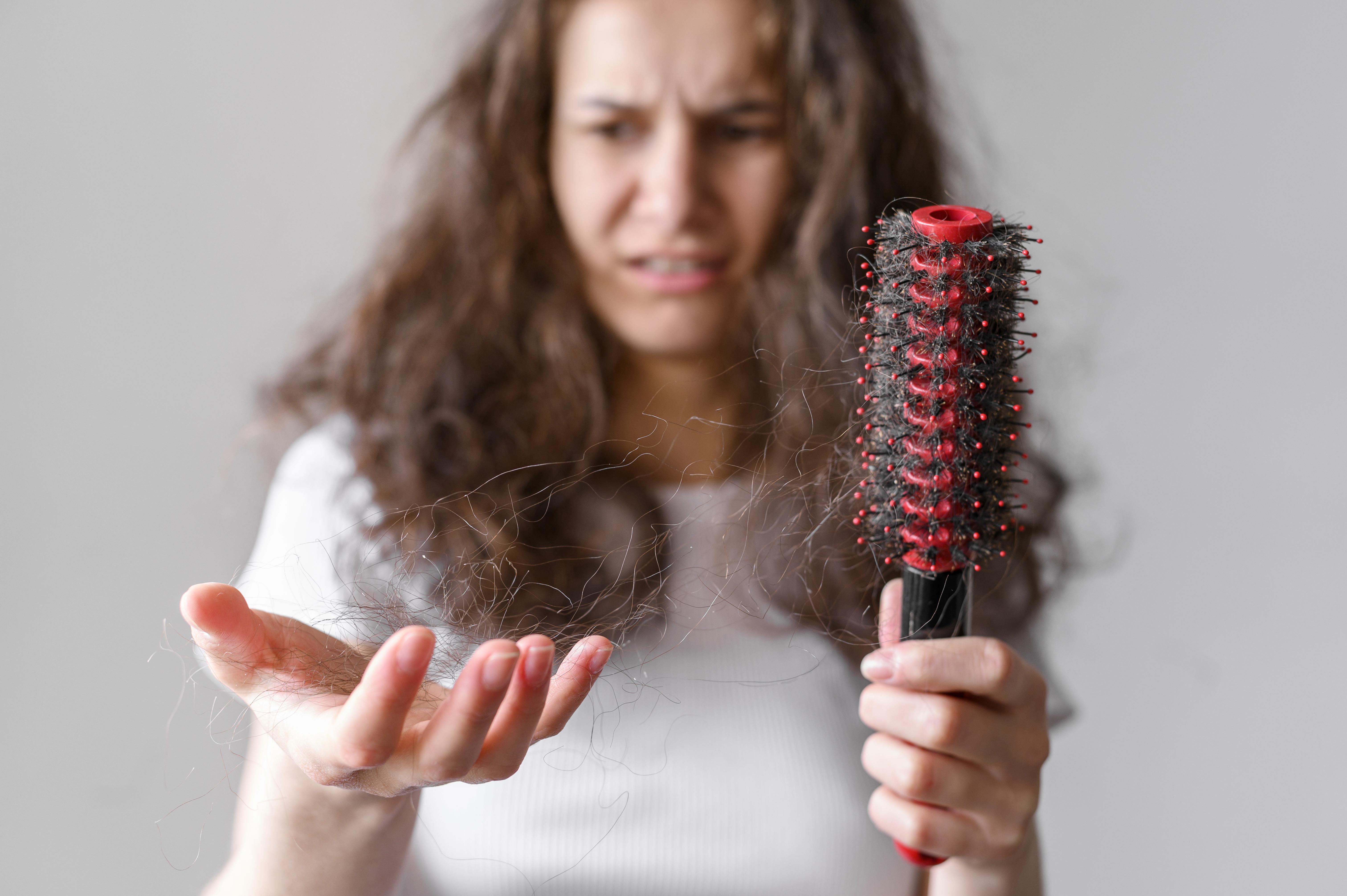
Alopecia areata refers to a symptom in which a part of the hair suddenly falls out without any obvious cause such as skin or general disease. Alopecia areata is one of the most common hair loss and appears regardless of gender or age. At first, it starts with a small hair loss about the size of a coin, and the area expands, and in severe cases, hair loss even to the eyebrows and body hair.
4) Acute hair loss (acute telogen effluvium)
Acute hair loss refers to hair loss in which hair suddenly falls out for as short as 1-3 months and as long as 6 months. It is often caused by causes such as stress, illness, drugs, or medical treatments. However, since acute hair loss is temporary hair loss, the hair will grow back if the root cause is resolved.
5) Seborrheic hair loss
Seborrheic alopecia is often associated with red, itchy, and flaky seborrheic dermatitis. The inflammation associated with seborrheic dermatitis disrupts the hair growth cycle, making hair brittle and prone to breakage. In severe cases, thinning hair or temporary hair loss may occur. In particular, scratching or irritation can damage hair follicles. Seborrheic alopecia is usually found in young adults between the ages of 20 and 40, and male or female pattern hair loss progresses mainly in areas where scalp inflammation has lasted for a long time.
Causes of Hair Loss
The causes of hair loss are also diverse. Let's take a look at 10 of the most common causes.
1) Heredity (genetics)
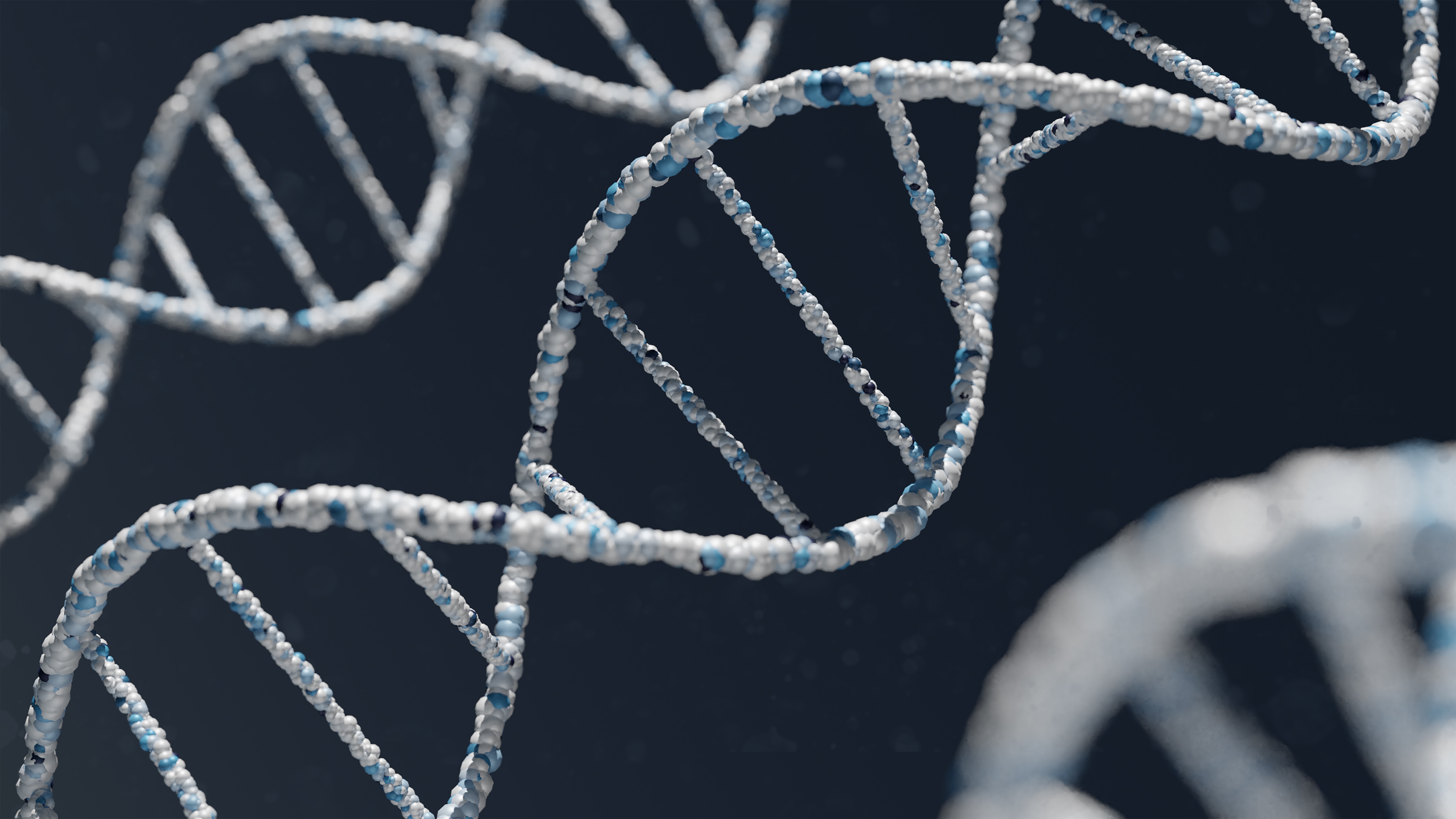
A genetic predisposition can lead to pattern baldness known as androgenetic alopecia.
2) Hormonal changes
Hormonal imbalances such as pregnancy, menopause or thyroid disease can cause hair loss.
3) medical condition
Conditions such as alopecia areata, lupus, and certain infections can cause hair loss.
4) Medication
Some medications used for cancer, arthritis, depression, heart disease, and gout can cause hair loss.
5) Poor eating habits
Inadequate nutrients, especially iron and protein, can affect hair health and contribute to hair thinning.
6) physical or emotional stress
Stressful situations, surgery or traumatic events can lead to temporary hair loss.
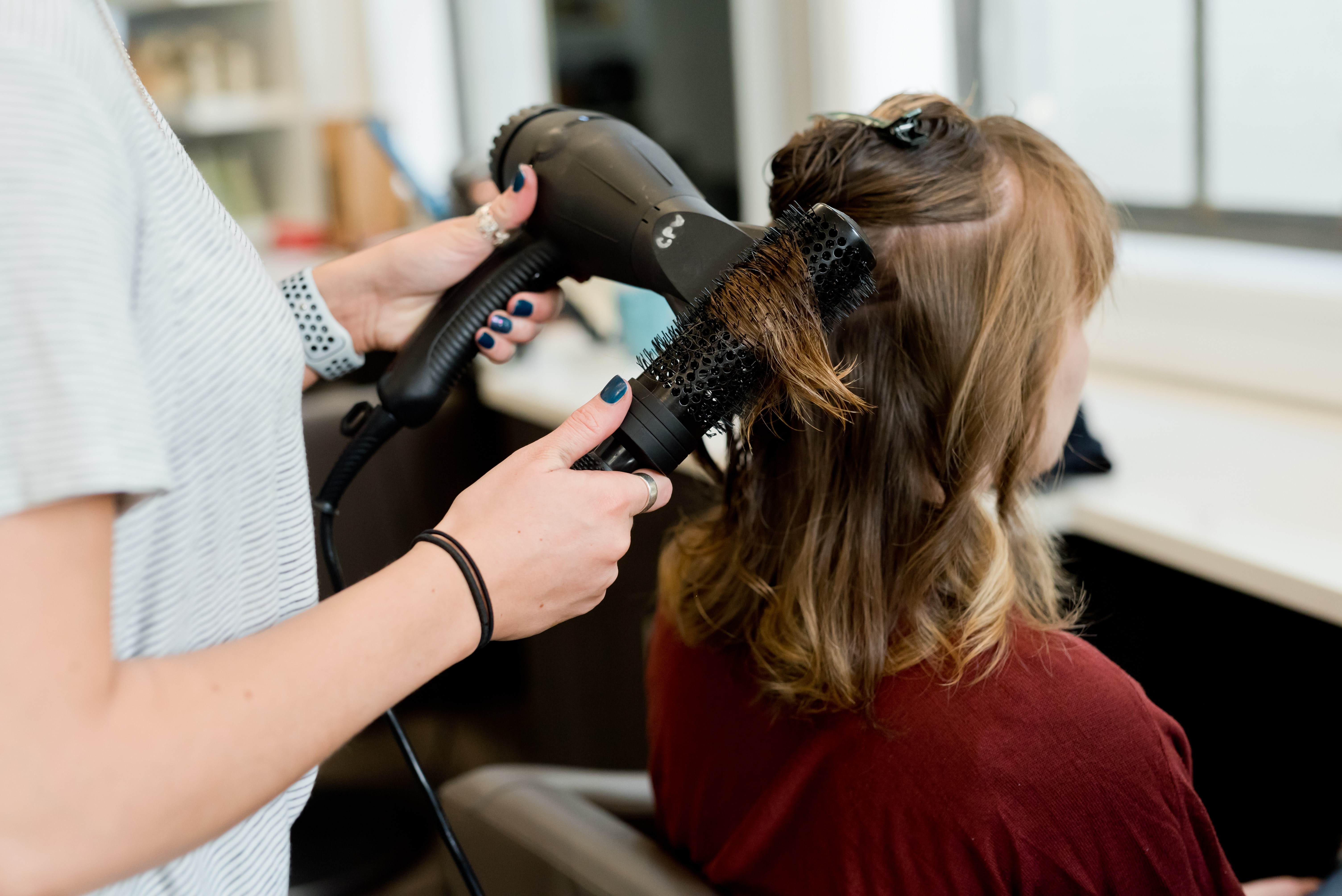
7) How to style your hair Excessive
heat tight hairstyles and harsh chemicals can damage and break hair.
8) age
As a result of natural aging, hair gradually thins and its growth rate decreases.
9) Medical Treatment
Radiation and chemotherapy affect hair follicles, usually causing temporary hair loss.
10) Autoimmune conditions
An immune system attack on hair follicles can lead to hair loss, as seen with conditions such as alopecia areata.
The causes of hair loss are complex and varied. Therefore, it cannot be concluded that hair loss has occurred for any reason.
The most accurate thing is that if hair loss continues, it is best to consult a dermatologist and manage it from a young age.